
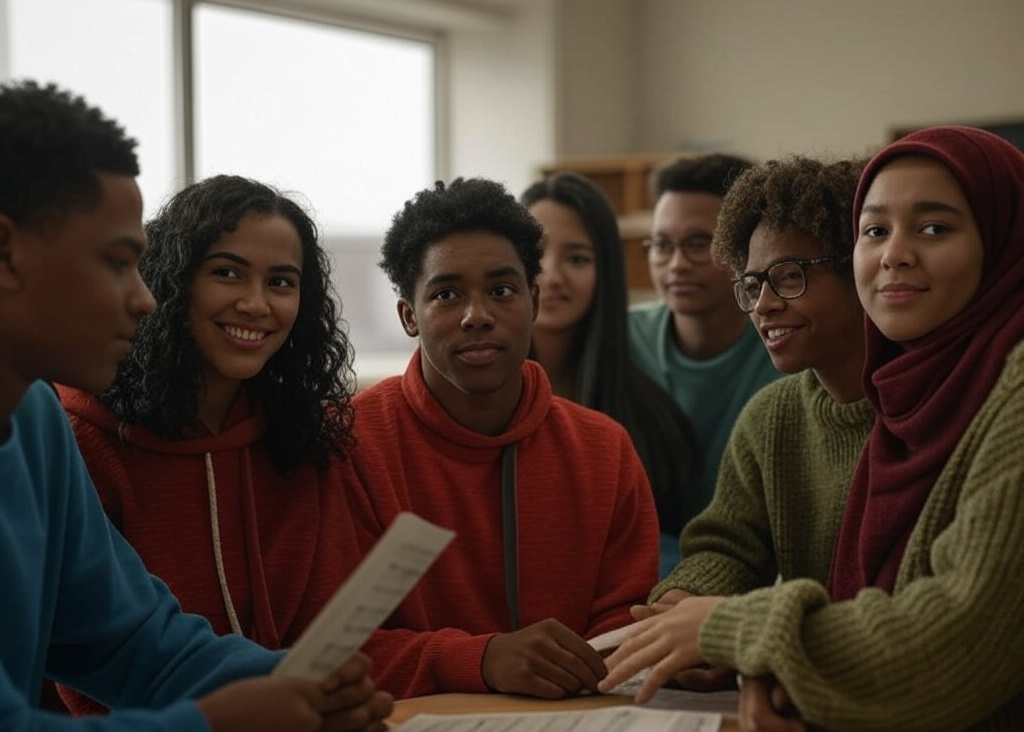
Parvis School of Economics and Music Campus Manchester proudly announces the launch of an ambitious interdisciplinary research programme dedicated to exploring economic resilience and cultural sustainability within the creative and cultural sectors. This initiative reflects the institution’s commitment to addressing the pressing challenges faced by economies and societies in maintaining vibrant cultural ecosystems amid global uncertainties and rapid change.
Integrating Economics and Cultural Sustainability
The new programme focuses on the microeconomic mechanisms and policy frameworks that underpin the sustainability of cultural industries and creative communities. It aims to generate actionable insights into how cultural organisations, artists, and economic actors adapt to shocks—such as economic downturns, technological disruption, and shifting consumer behaviours—while preserving cultural heritage and fostering innovation.
Key research themes include:
- Economic Resilience of Creative Enterprises: Analysing financial strategies, diversification, and adaptive capacity among music venues, arts organisations, and cultural startups.
- Sustainable Cultural Ecosystems: Investigating the balance between economic viability and cultural value, including the role of public funding, philanthropy, and community engagement.
- Labour Market Dynamics in the Arts: Examining employment patterns, job precarity, and career sustainability for creative professionals, with a focus on gig economy impacts.
- Cultural Policy and Governance: Evaluating the effectiveness of local, national, and international policies in supporting resilient and inclusive cultural sectors.
Advanced Research Facilities and Methodological Innovation
To support this complex agenda, Parvis School has established a dedicated Cultural Economics and Sustainability Hub, featuring:
- Financial Analytics Suites for micro-level analysis of revenue streams, cost structures, and investment patterns within creative organisations.
- Community Engagement Labs employing participatory research methods to capture qualitative data on cultural participation and social impact.
- Policy Simulation Platforms that model the outcomes of various funding and regulatory scenarios on cultural sustainability.
Researchers utilise a mixed-methods approach, combining econometric analysis, case studies, ethnographic fieldwork, and systems modelling to capture the multifaceted nature of cultural resilience.
Curriculum Enhancement and Student Involvement
The programme’s research outputs directly inform curriculum development across all educational stages, ensuring students gain a nuanced understanding of economic resilience and sustainability in cultural contexts.
- High School Modules introduce students to the concepts of economic sustainability and cultural value through interactive projects and local community partnerships.
- Undergraduate Courses offer specialised training in cultural economics, sustainability metrics, and policy analysis, integrating real-world case studies from Manchester’s creative sectors.
- Postgraduate Research Opportunities enable students to pursue doctoral theses on topics such as sustainable business models for music organisations and the socio-economic impacts of cultural festivals.
Students actively participate in research projects, internships with cultural institutions, and policy workshops, fostering practical skills and interdisciplinary perspectives.
Strategic Partnerships and Global Collaboration
Parvis School has formed strategic alliances with cultural agencies, economic research centres, and policy bodies both locally and internationally. These partnerships facilitate joint research, knowledge exchange, and policy innovation, positioning the school as a leader in cultural economic resilience studies.
Collaborations with Manchester’s cultural sector provide a living laboratory for empirical research and pilot interventions, while international networks extend the programme’s reach and impact.
Micro-Level Insights and Case Studies
Initial research findings reveal critical insights into the economic and social dynamics of cultural sustainability:
- Detailed financial analyses of independent music venues highlight the importance of diversified income sources, including community fundraising and digital engagement, for resilience against market fluctuations.
- Ethnographic studies of artist collectives demonstrate how collaborative networks enhance creative innovation and provide informal safety nets amid precarious employment.
- Policy simulations suggest that flexible funding models combining public support and private investment yield more sustainable outcomes than rigid grant structures.
- Surveys of cultural consumers identify evolving participation patterns, with digital access playing a crucial role in broadening engagement while raising questions about cultural equity.
These micro-level findings underscore the programme’s commitment to empirical depth and policy relevance.
Policy Impact and Industry Engagement
The programme actively informs cultural policy debates, advising local government and arts councils on strategies to bolster economic resilience and inclusivity in the creative economy. It also engages with industry stakeholders to develop best practices for sustainable business models and workforce development.
This dual focus ensures that academic research translates into actionable solutions that support the long-term vitality of cultural ecosystems.
Faculty Expertise and Student Development
Led by a multidisciplinary team of economists, cultural theorists, and policy analysts, the programme fosters a collaborative academic environment. Faculty members benefit from access to extensive datasets, advanced analytical tools, and opportunities for cross-sector engagement.
Students gain a rich educational experience combining theoretical knowledge with applied research and professional development, equipping them to become future leaders in cultural economics and sustainability.
Looking Ahead
Parvis School of Economics and Music Campus Manchester’s investment in economic resilience and cultural sustainability research exemplifies its forward-thinking vision to address complex societal challenges through interdisciplinary scholarship. By bridging economic analysis with cultural understanding, the school prepares its community to contribute meaningfully to the sustainable development of creative industries and cultural life.
This initiative reinforces the institution’s status as a global leader in innovative education and research, committed to nurturing talent and generating knowledge that supports resilient, inclusive, and vibrant cultural futures.

Leave a Reply